Category: Lebensstil

Entdecken Sie, wie die Deutschen das Leben genießen, indem Sie Einblicke in ihre einzigartigen Bräuche, ihr Essen, ihre Kunst und ihre täglichen Gewohnheiten gewinnen. Entdecken Sie, wie das Leben wie ein Einheimischer in Deutschland Ihr Verständnis für die deutsche Kultur bereichern kann.

Architecture and Composition of the US Dollar Bill

Design parts of a dollar bill function primarily as anti-counterfeiting measures.

Modern United States currency represents a highly sophisticated technological achievement.
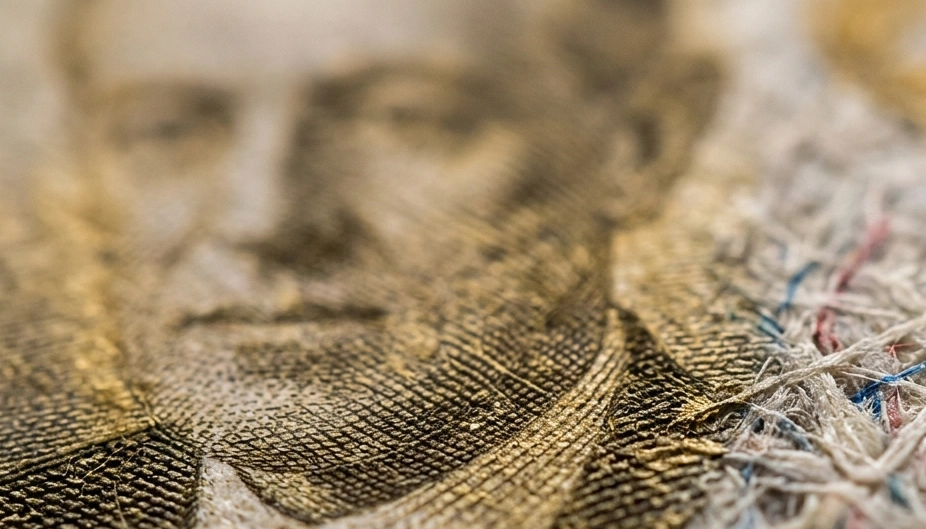
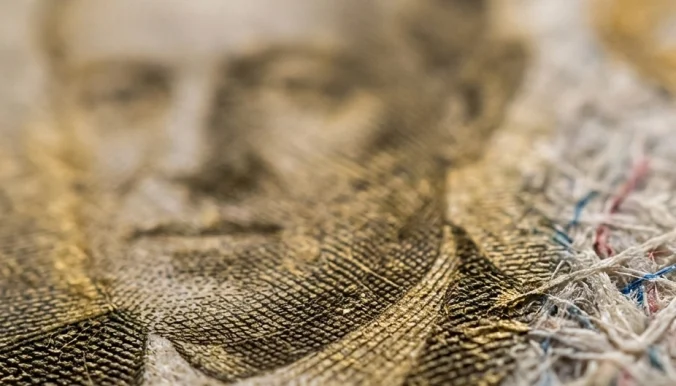
Extreme close-up of dollar bill paper fibers and print pattern

Production oversight remains the responsibility of the Bureau of Engraving and Printing.

Wood-free paper forms the foundation of every bill.

Crane and Co. handles the exclusive manufacturing of this substrate.

ParameterValue
Composition75% Cotton, 25% Linen
Mass1.00 g
Length155.95 mm
Width66.29 mm
Thickness0.11 mm

High wear resistance defines this specific material.

Withstanding 4,000 double folds ensures long-term durability during circulation.

Fabric-based construction prevents disintegration when exposed to water.

Ink Characteristics and Application

Magnetic ink allows for automated authenticity verification even via a bill and coin identifier.

Intaglio printing methods apply this ink to the surface.

Applying 20 tons of pressure creates the distinct raised image.

Black pigment on the front contains iron particles.

Green color on the back comes from a mixture involving chrome.

Color-shifting ink changes hue when viewed at an angle.

Copper color → Green color.

Multi-layer interference filters achieve this specific visual effect.

Security Fibers and Distribution

Synthetic threads are embedded directly into the paper structure.

These fibers appear in blue and red colors.

Embedding occurs during the initial paper formation stage.

Random distribution characterizes the placement of these threads.

Microscopic analysis easily identifies fake fibers created by surface printing.

Fibers do not glow under ultraviolet light.

Standard office paper reacts differently, distinguishing it from currency.

Security Thread and Watermark

A polymer ribbon stays buried inside the material.

Visible only when held against a light source, this feature remains hidden otherwise.

Each denomination features a unique thread position.

$100 bill → Left of the portrait.

$50 bill → Right of the portrait.

$20 bill → Left of the portrait.

Ultraviolet light causes the thread to emit a specific glow.

$5 → Blue.

$10 → Orange.

$20 → Green.

$50 → Yellow.

$100 → Pink.

A watermark duplicates the portrait of the historical figure.

Varying the density of the paper pulp creates this internal image.

Microprinting and Engraving

Fine lines form intricate patterns across the surface.

Standard scanners fail to reproduce microtext accurately.

THE UNITED STATES OF AMERICA appears on Benjamin Franklin’s collar.

Character height measures exactly 0.20 mm.

Steel tools carve portraits by hand to ensure precision.

Manual engraving creates a unique stroke texture.

Every line possesses sharp, defined borders.

Lacking blurred edges confirms the authenticity of the print.

2026 Market Value and Wear Analysis

Collector value depends entirely on the physical condition.

Professional grading scales verify the quality of the banknote.

DenominationUNC ConditionGem CU ConditionRecord Price
$1 (1928)$55$180$12,500
$2 (1953)$15$45$3,200
$5 (1963)$25$85$5,800
$100 (2009)$110$250$18,400

Annual price fluctuations in the rare series sector:

  • Economy Category: +2.1% per year
  • Investment Category: +6.4% per year
  • Rarity Category: +11.8% per year

Percentage price reduction based on physical creases:

Single vertical fold → -25% value.

Three or more folds → -60% value.

Stains or ink marks → -85% value.

Serial Number System

Letter and number combinations identify every individual note.

First letters indicate the specific series year.

Second letters designate the issuing Federal Reserve Bank.

A → Boston.

B → New York.

C → Philadelphia.

D → Cleveland.

E → Richmond.

F → Atlanta.

G → Chicago.

H → St. Louis.

I → Minneapolis.

J → Kansas City.

K → Dallas.

L → San Francisco.

A star replacing the final letter signifies a replacement for a damaged sheet.

Replacement notes account for 1% of total production volume.

Rarity increases their collector value by 40% on average.

Banknote Lifecycle Dynamics

Lifespan correlates directly with usage intensity.

Lower denominations wear out more rapidly.

$1 → 22 months.

$5 → 16 months.

$10 → 18 months.

$20 → 25 months.

$50 → 55 months.

$100 → 89 months.

Shredding facilitates the disposal of old money.

Processing facilities destroy 30 tons of banknote mass daily.
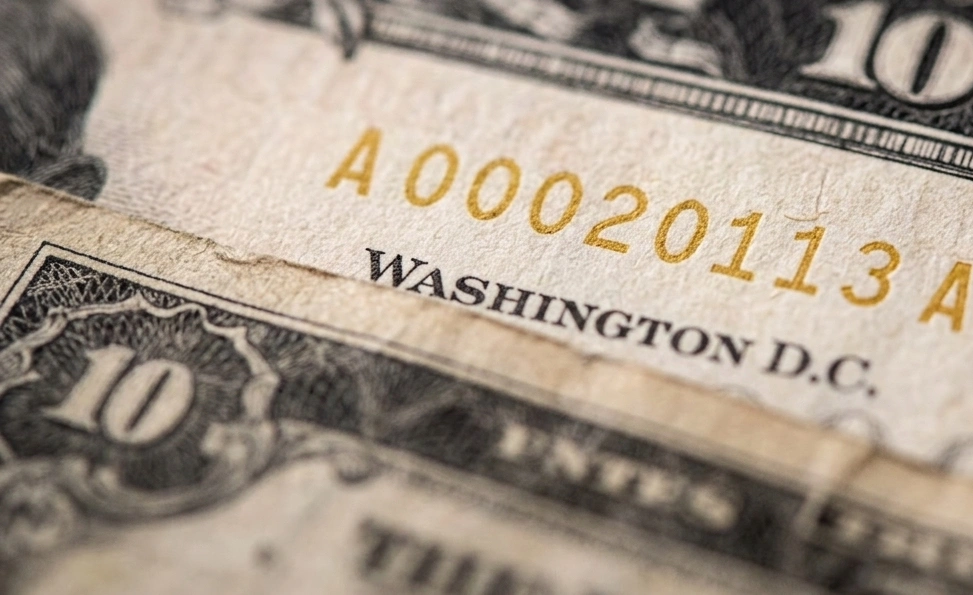
Macro image of overlapping dollar bills focusing on one element

Symbols and Design Elements

Treasury seals confirm the legality of the tender.

Latin inscriptions reflect foundational state principles.

E PLURIBUS UNUM → Out of many, one.

ANNUIT COEPTIS → He has favored our undertakings.

NOVUS ORDO SECLORUM → New order of the ages.

Pyramids featuring an eye represent strength and permanence.

Thirteen steps form the pyramid.

This count matches the number of original states.

2026 Detection Methods

Infrared sensors detect empty zones on the bill.

Front-side printing utilizes infrared-sensitive inks.

Portions of the image disappear under infrared light.

Counterfeits typically reflect infrared light entirely.

Spectral analysis of paper composition eliminates errors.

Presence of starch in the material remains prohibited.

Iodine markers leave dark marks on wood-based paper.

Genuine cotton sheets keep the mark yellow that can be detected with the best coin identifier app free — yes, such apps works with the bills too.

Economic Production Aspects

Manufacturing costs vary by denomination.

$1 and $2 → $0.06 per unit.

$5 → $0.11 per unit.

$10 → $0.12 per unit.

$20 and $50 → $0.13 per unit.

$100 → $0.17 per unit.

Security budget growth in 2025 reached 4%.

Implementing 3D ribbons on the $100 bill increased costs by 15%.

Reasons for Removal from Circulation

Loss of mechanical strength triggers removal.

Surface contamination exceeding 30% renders a bill unfit.

Edge tears longer than 5 mm require replacement.

Missing more than 10% of total area disqualifies the note.

Fading colors from chemical exposure end the note’s life.

Automated sorting handles the removal process.

Scanners process 40 banknotes per second during inspection.

Preservation Factors

Moisture destroys linen fibers over time.

Temperature shifts cause ink to become brittle.

Optimal storage conditions:

  • Temperature: +18 degrees.
  • Humidity: 45%.
  • Absence of direct sunlight.

Polyvinyl chloride holders must be avoided.

Acids in PVC materials cause paper yellowing.

The Best Ways to Build Numismatic Knowledge from Scratch

Building numismatic knowledge from scratch becomes far easier once you follow a structured path. New collectors often jump between videos, books, and random forums, which creates confusion. A clear foundation removes that problem and turns scattered facts into steady progress. Start with terminology, coin identification basics, and valuation factors, then expand toward deeper research tools and real-world practice. 

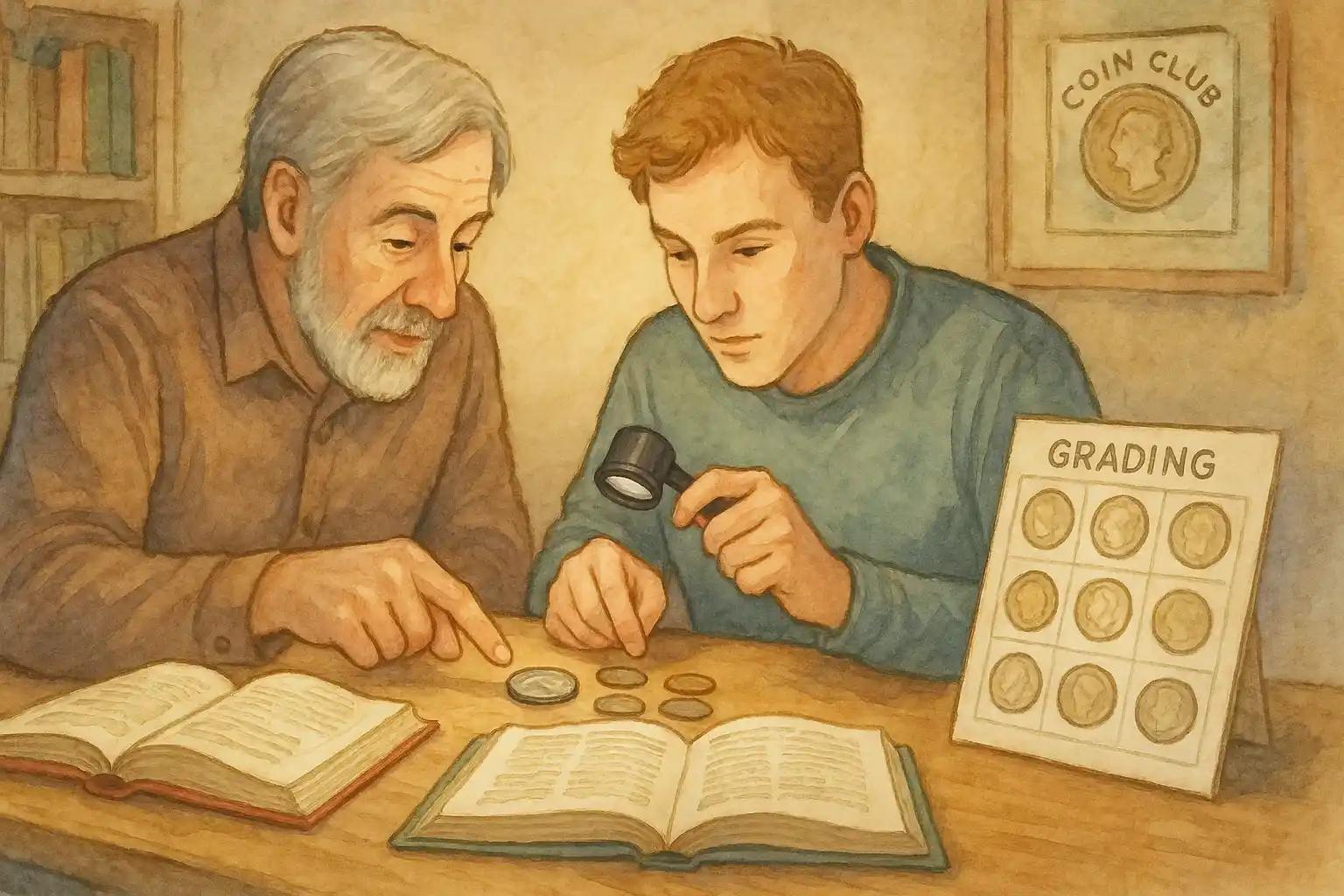
An old numismatist explains grading basics to a younger colleague.

Start With Trusted Free Online Courses

Begin with accessible, well-structured lessons. The American Numismatic Association provides the strongest free entry point thanks to detailed video modules created by experienced educators.

Recommended ANA Courses

  • Coin Collecting Basics
    Introduces types of coins, storage principles, metal characteristics, and valuation elements.
  • Learn How to Grade Your Own Coins
    Breaks down the Sheldon Scale, surface conditions, strike quality, and eye appeal through practical examples.
  • Youth and Beginner Webinars
    Short sessions covering topics such as errors, mintmarks, and safe handling.

All materials are available free at ANA’s eLearning Academy. Lessons are self-paced and ideal for forming early collecting goals without financial pressure.

Build a Core Reference Library

Books remain essential because they offer structured information, reliable definitions, and consistent grading examples. A small collection under $50 can already support serious growth.

Starter Book List

TitlePurposeWhy It Matters
Red Book (A Guide Book of United States Coins)Annual price guide with varieties, mintage, and historyHelps you understand market patterns across decades
ANA Numismatic BibliographyIndex of research referencesUseful for exploring specialized fields
Coins101 Grading & Error BookletsSimple visual guidesIdeal for early hands-on training

Most clubs lend beginner references at no cost, giving you a low-risk and low-cost way to learn before purchasing your own materials.

Join Collecting Communities Early

Connecting with experienced collectors accelerates learning more than any solo study. Clubs, online groups, and industry seminars expose beginners to rare coins, grading demonstrations, and market behavior.

Communities That Strengthen Learning

  • Local ANA chapters: mentoring, workshops, and show-and-tell sessions.
  • Coin clubs: group trips to mints and museums, seasonal talks, and access to lending libraries.
  • Online events: Greysheet webinars on pricing trends and live “Discovering Your Coin” samplers that teach how auction specialists assess value.

These interactions help beginners understand subtle grading points—something books alone cannot fully teach.

Practice Immediately With Real Coins

Numismatics becomes intuitive only when theory meets hands-on practice. Even a small batch of inexpensive world coins provides endless study material.

Steps for Practical Training

  • Inspect coins under a loupe and note wear patterns.
  • Compare luster, strike strength, and surface marks.
  • Record findings in a notebook to track progress.
  • Re-evaluate coins after studying new grading modules.

Tip for Tech Enjoyers: Digital tools enhance this stage. The coin scanner app offers photo-based identification on Android and iOS. Upload or snap a picture—its database displays mint years, country, composition, diameter, weight, and value. Collection management features allow you to catalogue training coins and observe patterns across global types.

Strengthen Your Grading Skills Through Structured Comparison

Once you understand terminology, grading foundations, and basic identification, the next step is to build fluency. Intermediate numismatic skills focus on pattern recognition, valuation logic, and consistent practice with verified references. This stage transforms passive learning into active judgment — the point where you begin to identify quality, rarity, and market movement with confidence.

Grading is the core of numismatic value. Beginners often rely on instinct, but accuracy develops through repeated comparison.

Practical Grading Routine

  • Group your coins by denomination or series.
  • Compare each piece to grading photos in your books.
  • Examine luster breaks, contact marks, and strike strength.
  • Revisit earlier grades after a week; note changes in your assessment.

A consistent routine reveals how small details influence value. Tracking your reasoning in a notebook or keeping a log in the free coin identifier app reinforces long-term skill development and helps you avoid common grading mistakes.

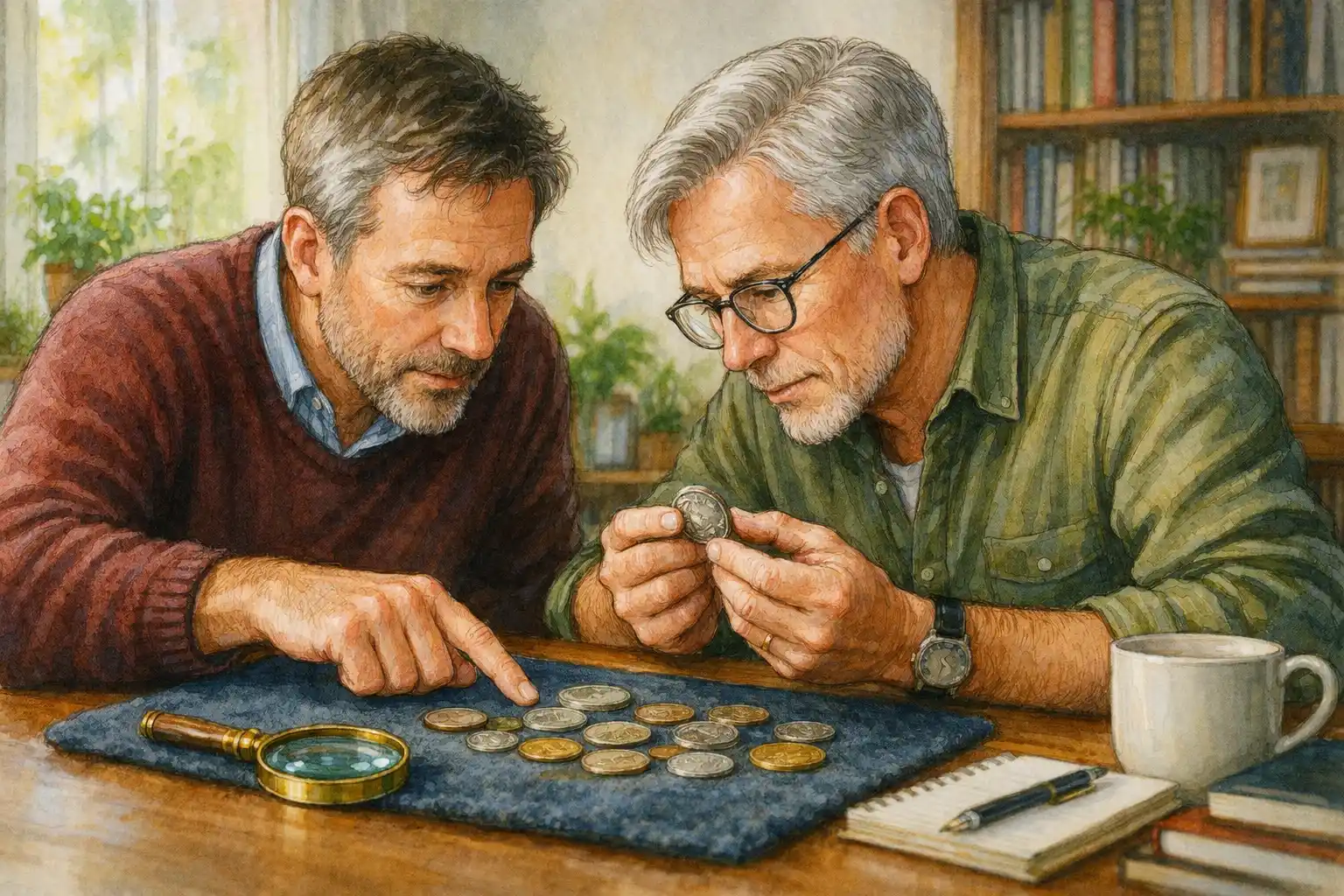
Two friends discuss coin grading issues in the daylight.

Use Research Platforms That Offer Verified Market Data

Intermediate collectors must understand the relationship between rarity, demand, and historical pricing. Several online tools provide this data in clear, research-friendly formats.

Key Research Resources

  • PCGS CoinFacts: population data, survival estimates, die varieties, and certified price charts.
  • NGC Census: grading population reports for every certified grade level.
  • Auction archives: visual comparisons of hammer prices over time.
  • Oxford Numismatics LibGuide: curated academic references for those exploring deeper historical context.

Regularly checking population reports reveals why two coins of the same date and mintmark can differ dramatically in value. Tracking auction results clarifies long-term pricing trends, helping you judge when a coin is fairly priced.

Compare World Coins to Broaden Understanding

Working only with one country’s currency can limit your perspective. World coins introduce new alloys, minting styles, script systems, and production methods.

Benefits of Studying Global Types

  • Expands familiarity with metals beyond copper and nickel.
  • Trains your eye to notice differences in strike quality between mints.
  • Increases awareness of international grading norms.
  • Helps you understand how age and wear vary across climates and circulation patterns.

This broader exposure strengthens your ability to analyze any coin you encounter — a key marker of intermediate numismatic competence.

Learn How the Market Reacts to Trends

Coins follow predictable cycles based on collector interest, supply releases, and generational shifts. Observing these patterns early helps you think like an analyst rather than a casual buyer.

Simple Ways to Track Trends

  • Review monthly price updates in respected guides.
  • Compare mintage numbers to real survival estimates.
  • Monitor which series attract new collectors in forums and clubs.
  • Follow grading submissions to see which coins receive increased attention.

Over time, you begin to see how popularity, rarity, and quality interact — knowledge that lays the groundwork for advanced collecting decisions.

Develop a Systematic Research Habit

Experienced collectors rely on structured research rather than intuition. Setting aside weekly time for study keeps your knowledge sharp and helps you spot developments before the market reacts.

Elements of a Strong Research Routine

  • Review population updates and certification trends.
  • Compare price movements over several years, not just the current market.
  • Analyze how changes in collector demographics influence demand.
  • Track series-specific patterns such as improved grading submissions or new variety discoveries.

A consistent rhythm gives you perspective. Instead of reacting to short-term excitement, you rely on real data to guide your decisions.

Study Error Varieties and Strike Diagnostics

Advanced numismatics requires understanding how coins are made — and how production flaws appear. This field strengthens your grading accuracy and valuation skills, as errors often command strong premiums when verified.

Key Areas to Explore

  • Die varieties: doubled dies, repunched mintmarks, and rotated reverses.
  • Planchet flaws: laminations, clips, and wrong-metal strikes.
  • Strike anomalies: weak strikes, off-centers, and misalignments.
  • Design diagnostics: small shifts in relief or letter spacing.

Analyzing these features teaches you to see details casual collectors overlook. It also improves your ability to verify authenticity and avoid questionable items.

Build a Teaching Mindset to Reinforce Your Knowledge

Sharing insights with others — through club talks, forum posts, or grading comparisons — is one of the fastest ways to grow. Teaching forces clarity, reduces bias, and exposes blind spots in your understanding.

Ways to Strengthen Skills Through Teaching

  • Participate in club mentoring programs.
  • Help beginners grade inexpensive coins.
  • Post comparison photos in online groups.
  • Contribute to community research threads.

Each interaction reinforces what you know and expands your analytical range.

Organize Your Collection for Long-Term Learning

A well-structured collection acts as a personal reference library. Instead of storing coins randomly, organize them by type, grade, series, or metal.

Practical Organization Methods

  • Use labeled flips and archival pages.
  • Keep notes on where and when each coin was acquired.
  • Maintain a digital catalogue for tracking grades, metals, and market changes.
  • Compare your coins regularly to updated standards.

Digital tools support this process. A numismatic app such as Coin ID Scanner can store coin photos, specifications, and value data, helping you build a coherent, searchable database that evolves with your experience.

Adopt a Long-Term Mindset

Numismatics rewards collectors who view learning as an ongoing craft. Expertise develops gradually through exposure, comparison, and structured inquiry.

Principles for Sustainable Growth

  • Keep studying even when you feel comfortable.
  • Revisit earlier coins with your improved skills.
  • Explore new historical periods or world regions.
  • Engage in communities that challenge your perspective.
  • Stay open to new tools, technologies, and research methods.

By combining foundational theory, intermediate analysis, and advanced study habits, you create a balanced learning system that strengthens with every coin you examine.

Die deutsche Liebe zum Backen verstehen: Beliebte Leckereien, die Sie probieren sollten

In Deutschland ist Backen mehr als nur eine kulinarische Aktivität; es ist ein kultureller Eckpfeiler, der tief in der Geschichte und im täglichen Leben verwurzelt ist. Diese Tradition spiegelt die deutsche Wertschätzung für Handwerkskunst, Gemeinschaft und die einfachen Freuden des Lebens wider. Von den duftenden Küchen bis zur gemeinsamen Freude an einem frisch gebackenen Gebäck ist das deutsche Backen eine Kunstform, die Geschichten von Erbe und Verbundenheit erzählt.

Die historischen Wurzeln des deutschen Backens

Die Tradition des Backens in Deutschland reicht Jahrhunderte zurück und ihre Ursprünge sind mit klösterlichen Praktiken und feudalen Zeiten verflochten. Mönche, die Zugang zu Öfen hatten, begannen Brot als Gemeinschaftsaktivität zu backen, was sich später zu einem Symbol der täglichen Nahrungsaufnahme und sozialen Bindung entwickelte. Im Laufe der Zeit verbreitete sich diese Praxis über religiöse Institutionen hinaus und wurde zu einem Grundnahrungsmittel in Haushalten und Bäckereien gleichermaßen.

Beliebte Backwaren: Ein Hauch deutscher Kultur

Deutsche Backwaren sind vielfältig, jede hat ihre eigene einzigartige Geschichte und Bedeutung. Hier ein Blick auf einige beliebte Leckereien:

  1. Brezeln
    Brezeln, die oft als Snack oder mit Bier genossen werden, haben mittelalterliche Wurzeln. Der Legende nach haben Mönche sie aus übrig gebliebenem Teig hergestellt und sie in verdrehte Formen gebracht, die an verschränkte Arme zum Gebet erinnern. Heute sind sie ein Symbol der deutschen Küche und werden salzig und salzig serviert.
  2. Strudel
    Dieses mit süßen oder herzhaften Zutaten gefüllte Schichtgebäck stammt ursprünglich aus Österreich, wurde aber in Deutschland beliebt. Apfelstrudel zum Beispiel ist eine köstliche Leckerei, die durch Schichten von Blätterteig um gewürzte Äpfel hergestellt wird und eine knusprige und dennoch zarte Textur bietet.
  3. Kuchen
    Kuchen gibt es in verschiedenen Formen, von mit Früchten belegten bis hin zu mit Schokolade gefüllten. Das erste aufgezeichnete Kuchenrezept stammt aus dem 14. Jahrhundert und ist nach wie vor ein beliebtes Dessert, das oft bei Familientreffen oder in Cafés genossen wird.
  4. Berliner (Punschkuchen)
    Diese runden, mit Marmelade oder Sahne gefüllten Gebäckstücke werden traditionell an Silvester gegessen. Ihre einfache, aber köstliche Art macht sie zu einem festlichen Favoriten und symbolisiert Freude und Erneuerung.

Wie diese Leckereien Lebensstil und soziale Gewohnheiten widerspiegeln

Deutsche Backwaren sind nicht nur Leckereien; sie sind ein wesentlicher Bestandteil sozialer Interaktionen und täglicher Routinen. Kaffeehäuser servieren oft Gebäck wie Croissants oder Kuchen zum Kaffee, was ein Gefühl von Gemeinschaft und Entspannung fördert. Das Backen selbst wird als bewusste Praxis angesehen, bei der Qualität und Tradition über Bequemlichkeit gestellt werden.

Copyright 2026 © | All rights reserved. ReiseKulturBlog

Up ↑